
Design-Build Remodeling Explained: Why it’s the Best Way to Renovate Your Home
Thinking about remodeling? Learn why homeowners choose design-build remodeling for better planning, faster timelines, and a smoother renovation process.
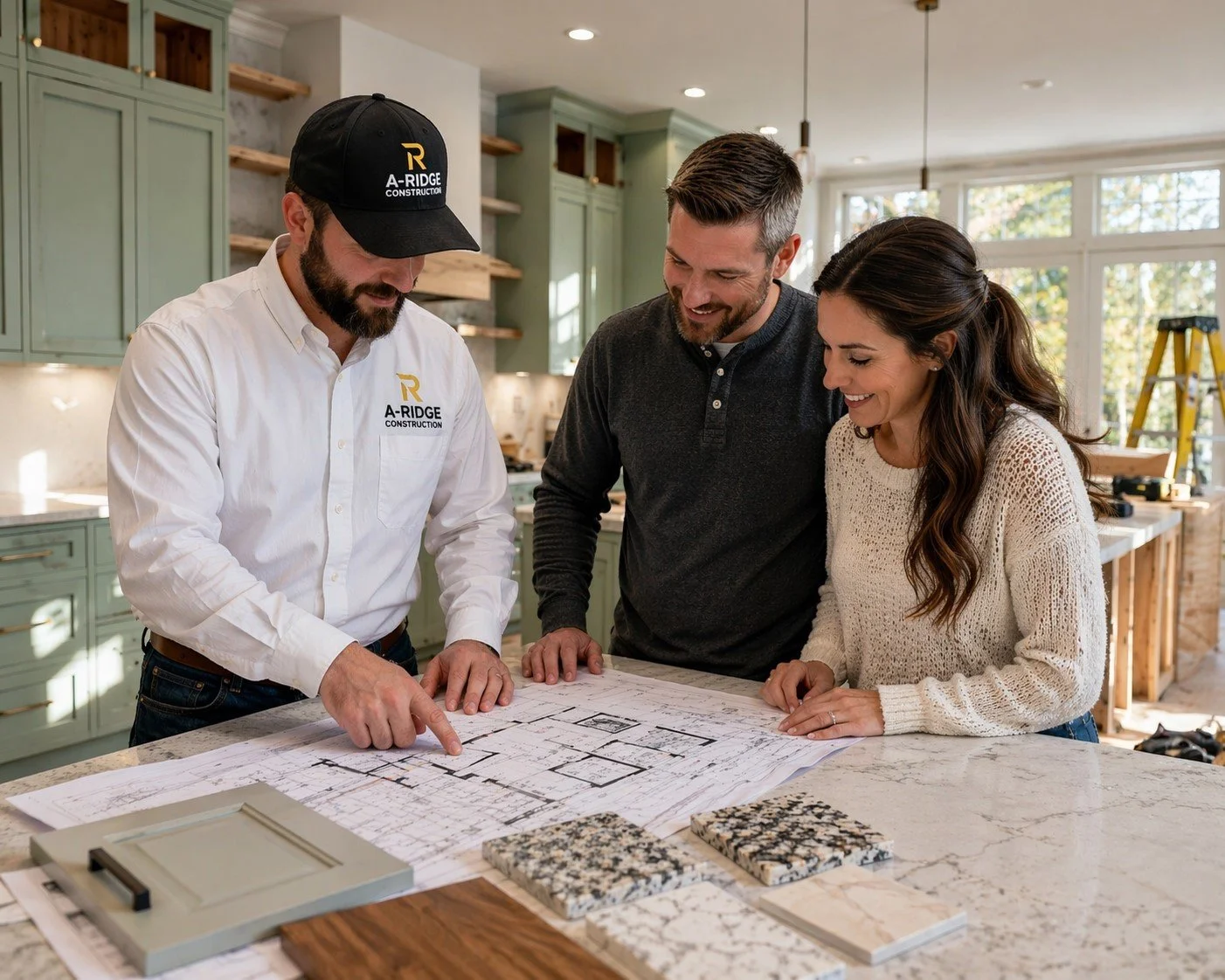
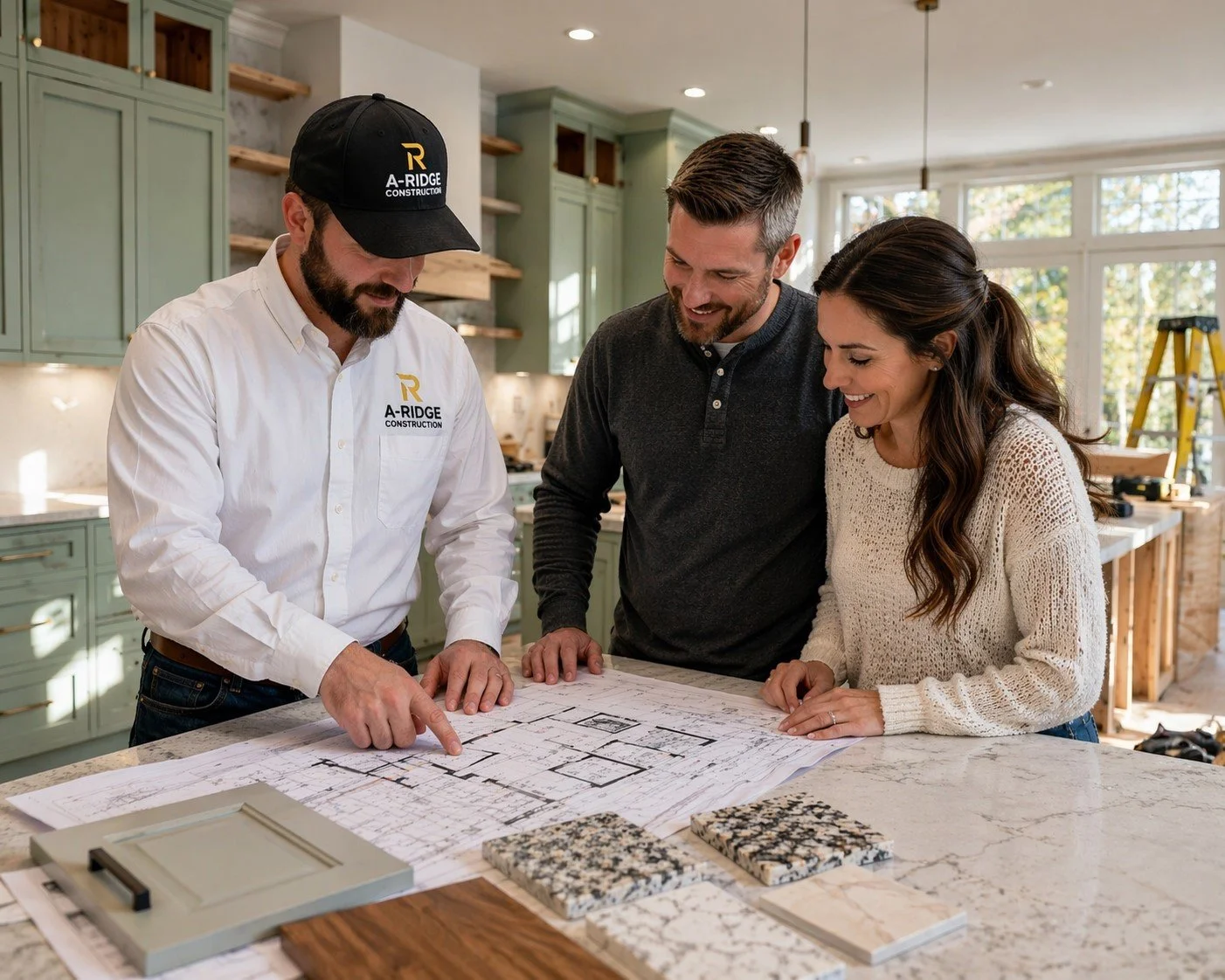
Design and construction work together for a better finished home.
Design-Build Remodeling Explained: Why It’s the Best Way to Renovate Your Home.
When homeowners begin planning a renovation, one of the biggest decisions is choosing how the project will be managed. Many people are familiar with the traditional process of hiring a designer first, then finding a contractor later. While that approach can work, it often creates delays, miscommunication, budget surprises, and unnecessary stress.
That is why more homeowners are choosing design-build remodeling.
Design-build remodeling is a streamlined approach where one team handles the planning, design, budgeting, and construction of the project from start to finish. Instead of hiring separate companies that may not always align, the homeowner works with one experienced team that manages the entire process.
For kitchen remodeling, bathroom renovations, home additions, and whole home renovations, design-build has become one of the most efficient and reliable ways to renovate.
What is Design-Build Remodeling?
Design-build remodeling means the same company is responsible for both the design phase and the construction phase of the project. This creates a more organized experience because the people designing the renovation are working directly with the people who will build it.
Instead of handing plans from one company to another, the project moves through one connected system. Layout decisions, material selections, budgeting, scheduling, and construction planning are coordinated together from the beginning.
This approach reduces confusion and allows homeowners to make informed decisions earlier in the process.
For many families, that means fewer surprises, better communication, and a smoother renovation overall.
Why Traditional Remodeling Can Be More Difficult
In a traditional remodeling model, homeowners often hire an architect or designer first and then bid the plans out to contractors. While this may sound simple, it can create several common problems.
Plans may be beautiful but exceed the actual budget. Contractors may interpret details differently. Material selections may not be finalized when pricing is created. Scheduling can also be delayed while multiple parties coordinate changes.
Because the designer and contractor are separate, the homeowner often becomes the person trying to keep everyone aligned.
That extra layer of complexity is one of the main reasons design-build remodeling has become so popular.

Traditional remodeling can create delays, budget surprises, and confusion when multiple companies are involved.
One Team, One Process, Better communication
One of the biggest advantages of design-build remodeling is communication. The homeowner has one main team guiding the project instead of trying to coordinate several separate companies.
Questions are answered faster. Changes are handled more efficiently. Budget discussions happen earlier. Construction planning is based on real-world execution, not just drawings.
This matters because remodeling projects involve hundreds of decisions. When those decisions are managed by one coordinated team, the process becomes much more predictable.
For busy homeowners, simplicity is often just as valuable as the finished result.
Better Budget Control from the Start
One of the most common homeowner concerns is cost. People want to know whether the project can realistically be completed within their target investment range.
With design-build remodeling, budgeting starts early in the planning phase. That means layout ideas, finish selections, and scope decisions can be evaluated against the budget before construction begins.
Instead of designing something first and pricing it later, the project is developed with real cost awareness from day one.
This helps avoid situations where plans need to be redesigned because they exceed the budget. It also gives homeowners more confidence as they move forward.

Early material selections help homeowners compare options, stay on budget, and keep the remodeling project moving efficiently.
Faster Project Timelines
Because design and construction teams are working together from the beginning, many design-build projects move faster than traditional renovations.
Selections can be made earlier. Construction scheduling can begin during design. Permit planning can happen sooner. Material lead times can be identified before they become delays.
This overlap between planning and execution creates momentum that often shortens the overall project timeline.
For homeowners living in the home during construction, faster and more organized timelines can make a major difference.

A clear plan and coordinated scheduling help design-build projects move faster with fewer delays.
Better Results Through Early Planning
The best remodeling projects are not created by luck. They are created through planning.
Design-build remodeling allows details to be solved before construction starts. Cabinet layouts, appliance locations, lighting plans, flooring transitions, structural changes, and finish coordination can all be reviewed in advance.
When these details are addressed early, the finished project feels cleaner, more intentional, and more refined.
This is especially important in kitchen remodels, whole home renovations, and additions where many systems must work together.
What to Look for in a Design-Build Contractor
Not every contractor uses a true design-build process. Homeowners should look for a company that provides planning, budgeting, selections guidance, scheduling, and construction management under one roof.
Strong communication is essential. A clear process matters. Experience with kitchens, bathrooms, additions, and whole home remodeling is important.
The right design-build contractor should help simplify decisions, not complicate them.

The A-Ridge Construction team combines planning, communication, and craftsmanship to deliver a smoother remodeling experience from start to finish.
Why A-Ridge Construction Uses the Design-Build Approach
At A-Ridge Construction, we believe homeowners deserve a better remodeling experience. Our design-build process helps clients move from concept to completion with clear communication, organized planning, and craftsmanship-focused execution.
We help homeowners throughout The Woodlands, Magnolia, Montgomery, Conroe, Spring, and surrounding North Houston communities with kitchen remodeling, bathroom renovations, home additions, outdoor living spaces, and whole home remodeling projects.
The goal is always the same: create a finished result that looks exceptional and feels well managed from start to finish.
A-Ridge Construction provides design-build remodeling, kitchen remodeling, bathroom remodeling, home additions, and whole home renovations in The Woodlands, Magnolia, Montgomery, Conroe, and surrounding North Houston communities.
Frequently Asked Questions About Design-Build Remodeling
What is design-build remodeling?
Design-build remodeling is a renovation process where one company manages planning, design, budgeting, and construction from start to finish.
Why is design-build better than traditional remodeling?
Design-build often improves communication, helps control budgets earlier, and reduces delays.
Is design-build good for kitchen remodeling?
Yes. Kitchen remodeling requires many moving parts like cabinetry, layout, plumbing, lighting, and selections.
How Much Does a Home Remodel Cost in 2026?
Home Remodeling Blog for The Woodlands, Magnolia, and North Houston Our remodeling blog shares expert advice, cost guides, and design ideas for kitchen remodeling, bathroom renovations, home additions, outdoor living spaces, and whole home remodeling. We help homeowners understand the remodeling process so they can plan projects the right way before construction begins.
One of the first questions homeowners ask when considering a renovation is how much the project will cost. The truth is that remodeling prices can vary widely depending on the size of the home, the level of finishes selected, and whether structural changes are invol ved. Homes in The Woodlands, Magnolia, Montgomery, and surrounding North Houston communities often require a higher level of detail and craftsmanship which can also affect the overall investment.
In 2026, remodeling costs have increased compared to previous years due to material pricing, labor demand, and the complexity of modern home upgrades. Many homeowners today are not just updating finishes — they are opening floor plans, adding square footage, installing custom cabinetry, and upgrading lighting, plumbing, and electrical systems. Because of this, pricing should always be based on the full scope of work rather than just square footage alone.
Understanding realistic cost ranges before starting a project helps homeowners plan correctly and avoid surprises later in construction.
Average Remodeling Cost Per Square Foot
Although every project is different, cost per square foot can provide a general starting point when planning a renovation. In the North Houston area, basic remodeling projects with minimal layout changes usually fall on the lower end of the range, while custom renovations with structural modifications and premium finishes will cost significantly more.
A basic remodel that focuses mainly on cosmetic updates such as flooring, paint, fixtures, and minor cabinetry changes may range from about $75 to $125 per square foot. Mid-range remodeling projects that include new cabinets, upgraded countertops, tile work, and moderate electrical or plumbing changes often fall between $125 and $200 per square foot.
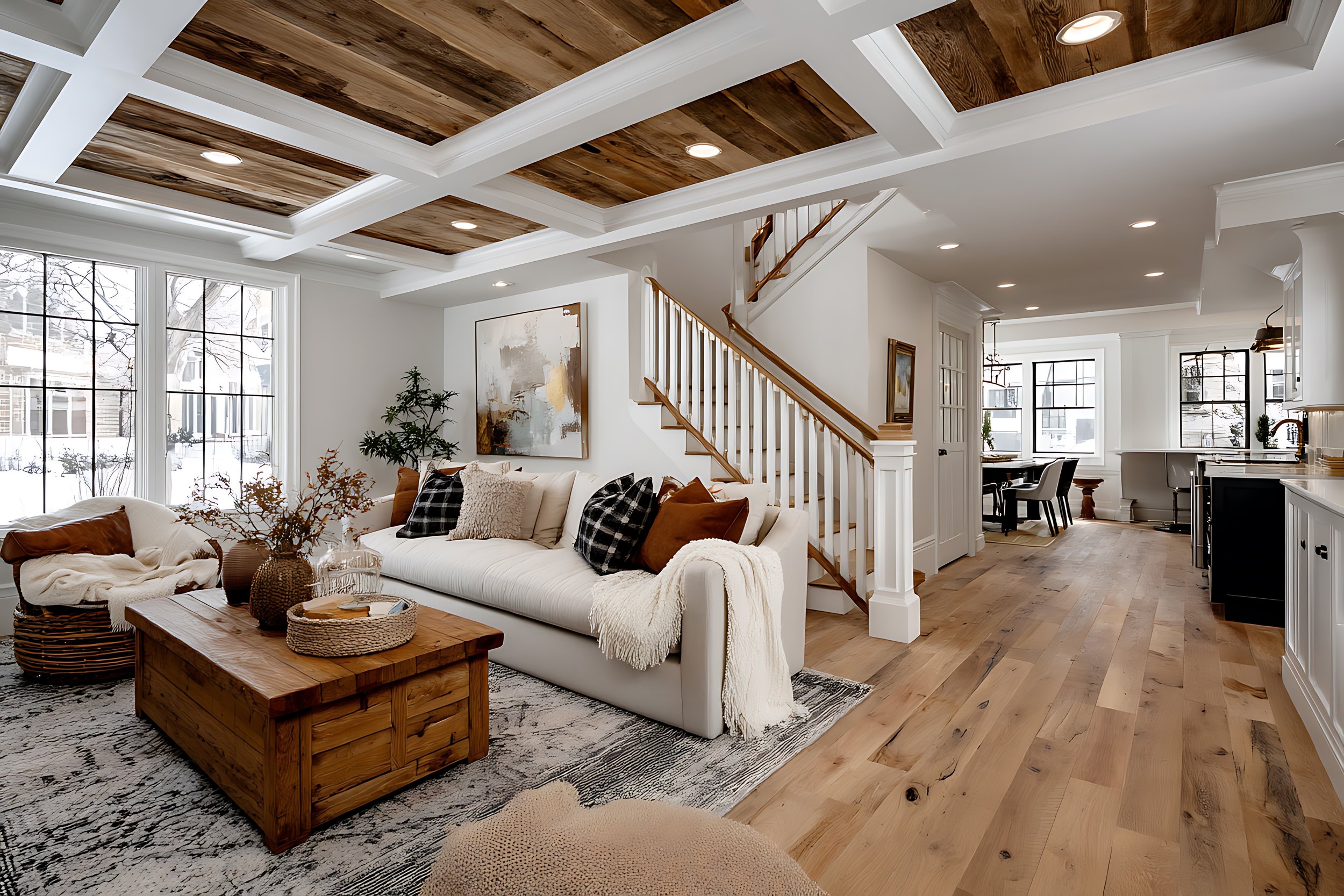
High-end remodeling projects, especially those involving custom millwork, beam ceilings, wall removal, additions, or luxury materials, can range from $200 to $350 per square foot or more. Homes in The Woodlands and Magnolia frequently fall into this category because homeowners tend to choose higher quality finishes and more detailed designs.
Square footage pricing is only a guide, but it helps explain why two remodels of the same size can have very different final costs.
Kitchen Remodeling Cost in 2026
Kitchen remodeling is one of the most common projects homeowners invest in, and it is also one of the areas where cost can vary the most. A simple kitchen update that keeps the same layout will cost much less than a full renovation that includes moving walls, relocating plumbing, or installing custom cabinetry.
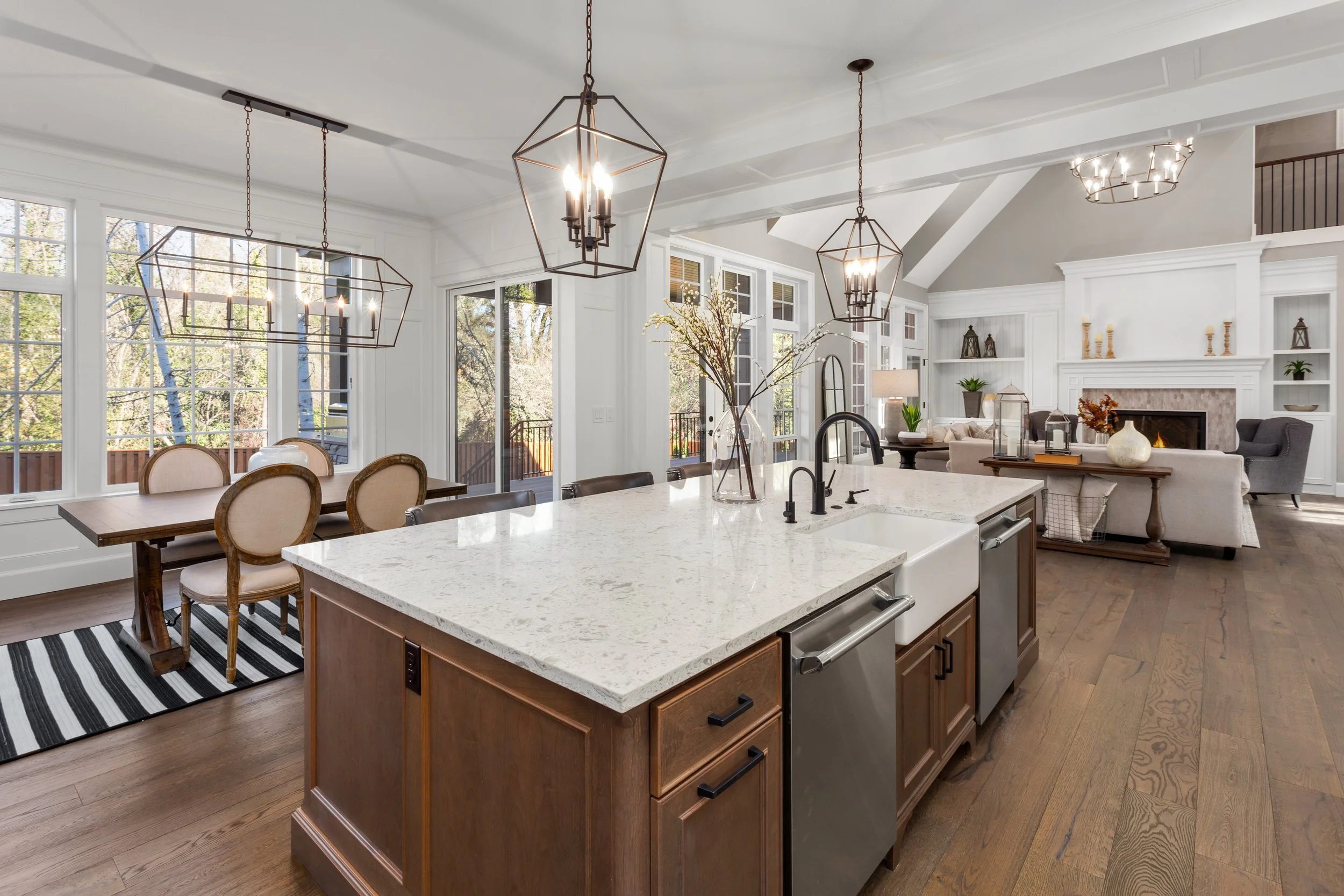
In the North Houston area, most kitchen remodels fall between $35,000 and$120,000 depending on the level of customization. Kitchens with stock cabinets and standard appliances will be on the lower end, while custom-built cabinetry, large islands, professional-grade appliances, and detailed ceiling work will increase the cost.
Custom Finishes
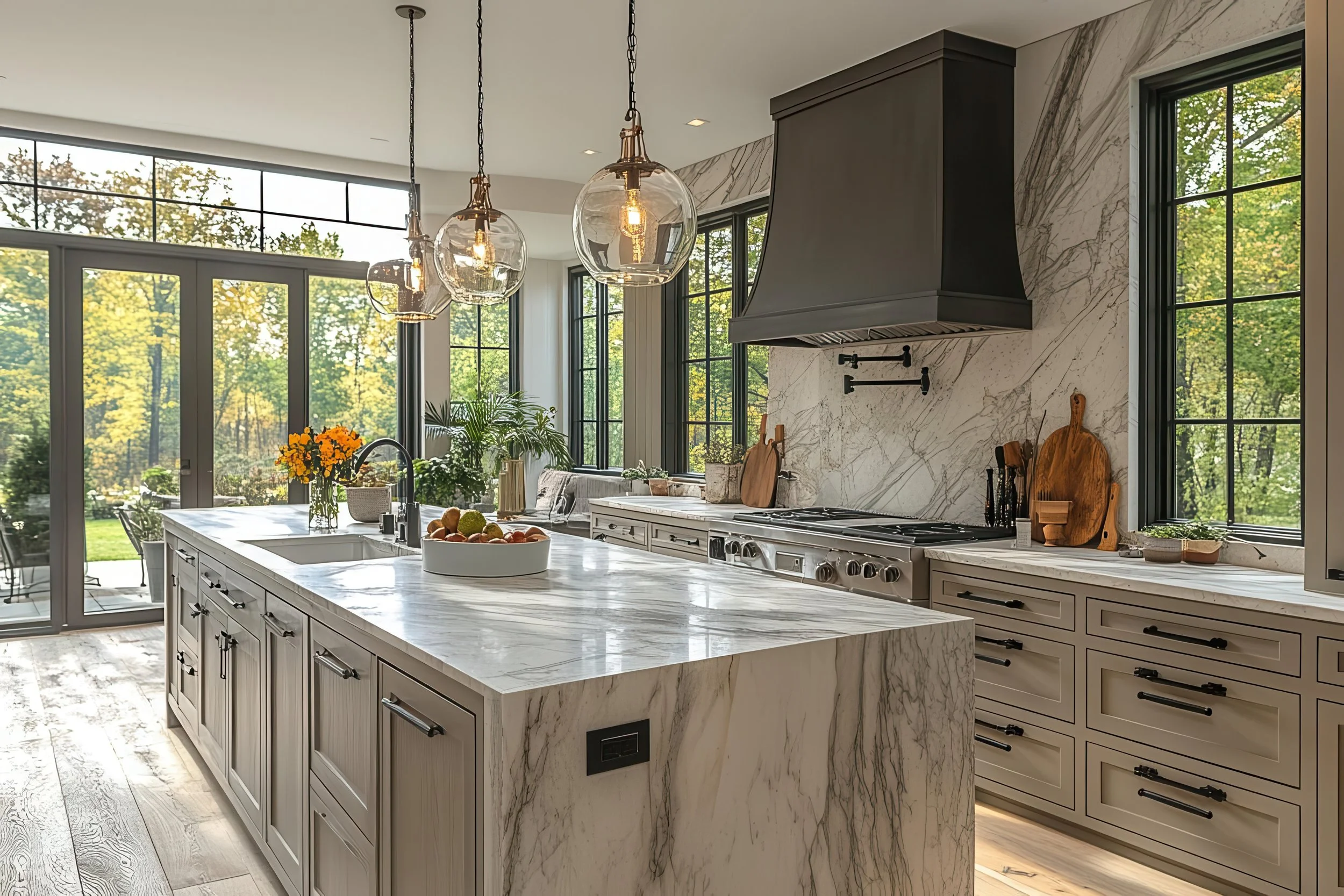
Many homeowners today are choosing open-concept kitchens, which often require removing load-bearing walls and installing structural beams. This type of work adds cost, but it also creates a much more functional and modern layout that can significantly increase the value of home.
Lighting, cabinet design, and countertop material also have a large impact on price, especially when natural stone, quartz, or custom finishes are selected.
Bathroom Remodel Cost in 2026
Bathroom renovations are another popular upgrade, especially in older homes where layouts and fixtures no longer meet modern expectations. The cost of a bathroom remodel depends heavily on tile work, plumbing changes, and the type of fixtures chosen.
Guest bathrooms that keep the same layout may cost between $15,000 and$25,000, while primary bathroom renovations with walk-in showers, freestanding tubs, and custom vanities often range from $25,000 to $45,000 or more.
A Spa Experience
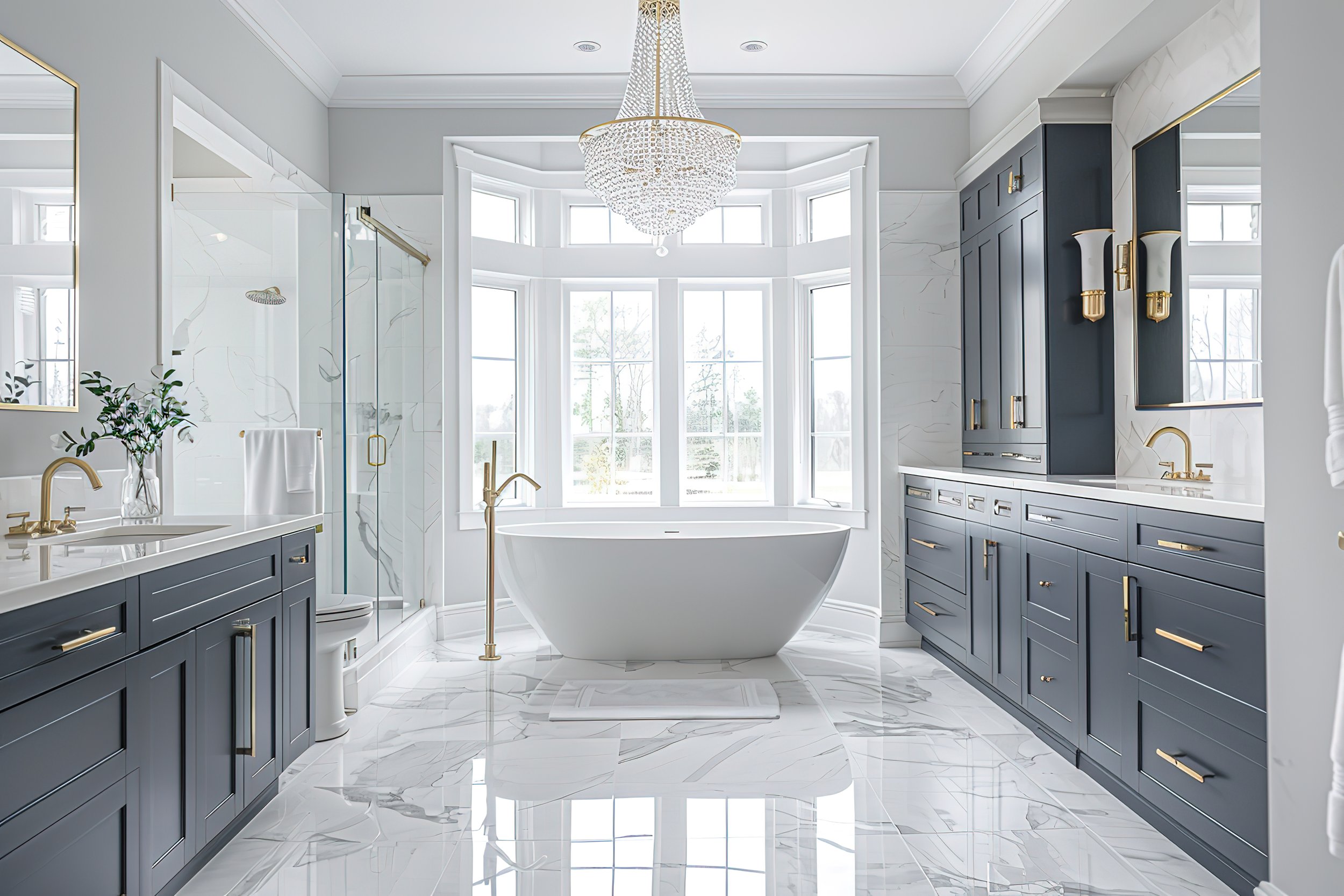
Many homeowners today are designing bathrooms to feel more like a spa, which means higher quality materials, better lighting, and more detailed finishes.
Tile work is usually one of the biggest cost factors because labor and material prices vary depending on the size of the tile, pattern, and installation detail. Frameless glass showers, upgraded lighting, and custom cabinetry also add to the overall investment.
Whole Home Remodel Cost
Whole home renovations require more planning than individual room remodels, but they often produce the best results. Instead of updating one area at a time, the entire home can be designed to flow together, both structurally and visually.
In The Woodlands and surrounding areas, whole home remodels commonly range from $100,000 to $400,000 or more depending on the size of the house and the amount of structural work involved. Projects that include kitchen remodeling, bathroom renovations, flooring replacement, lighting upgrades, and wall removal will be on the higher end of the range.
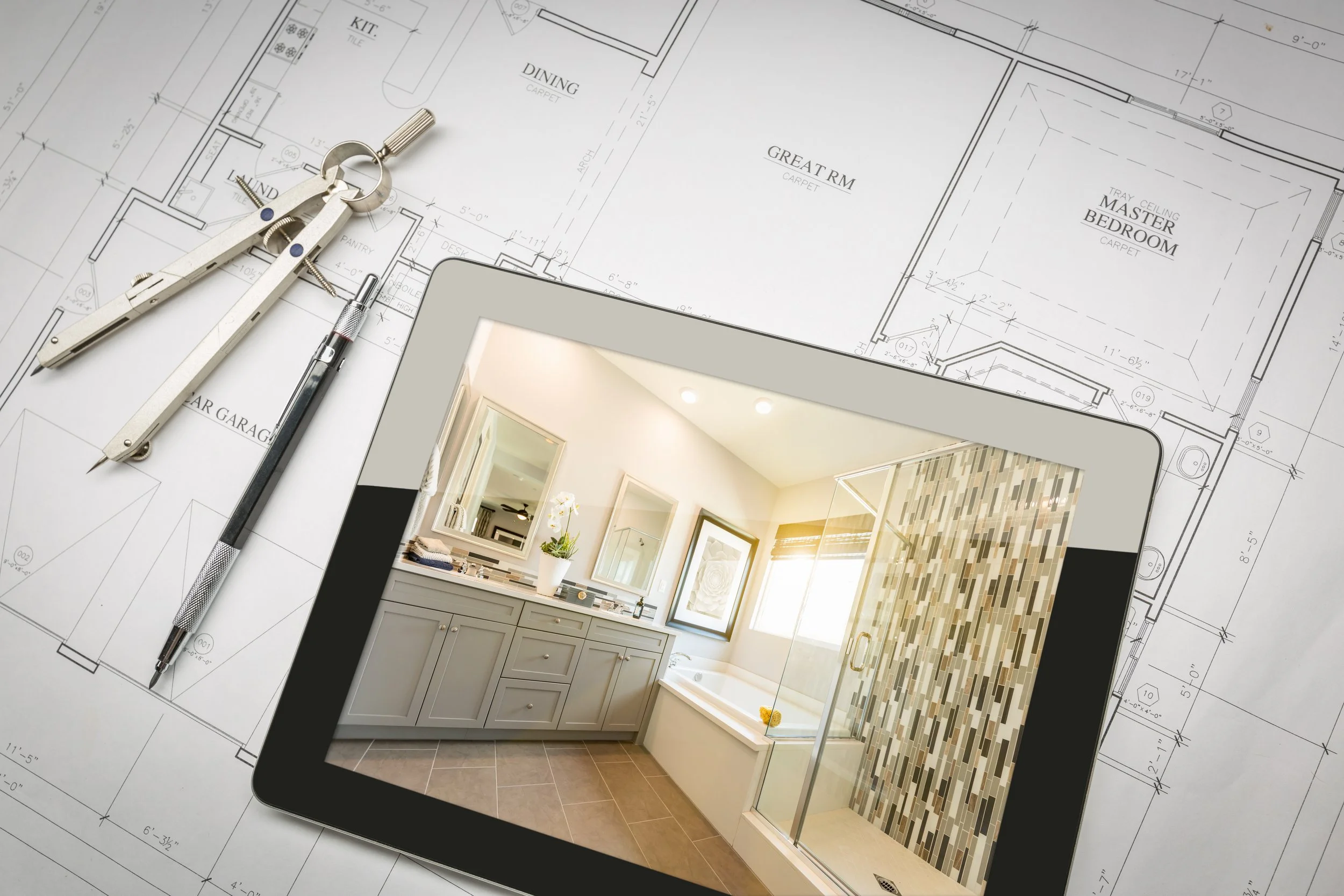
DESIGN BEFORE THE REMODEL
Older homes may also require electrical updates, plumbing changes, or insulation improvements, which can add to the cost but are important for long-term performance.
While the investment is higher, remodeling the entire home at once often saves money compared to renovating each room separately over time.
Cost of a Home Addition in 2026
Home additions are usually more expensive per square foot than interior remodeling because they require building new structure from the ground up. A typical addition includes foundation work, framing, roofing, exterior finishes, electrical, plumbing, HVAC, insulation, drywall, and interior finishes.
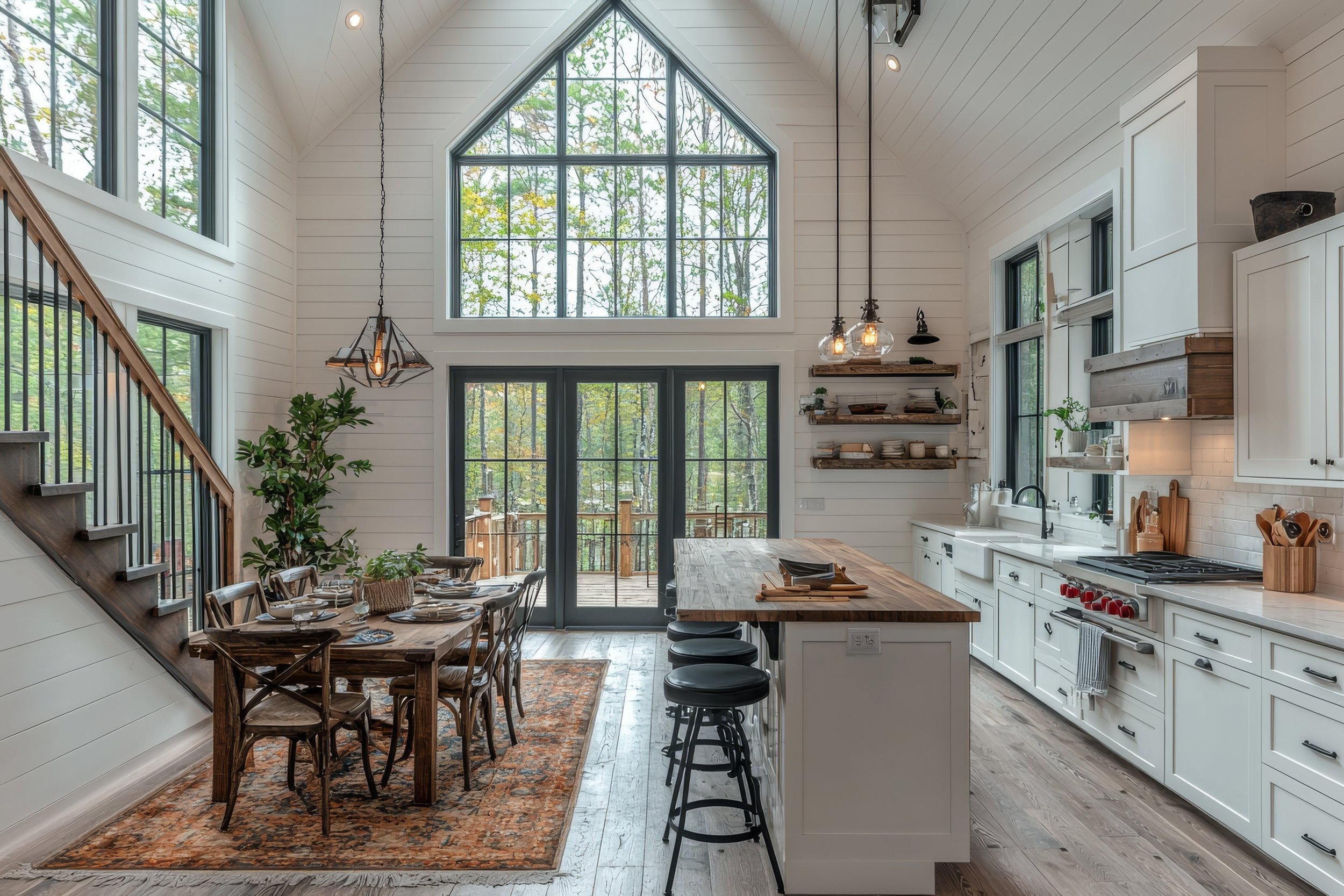
Grow Your Space By Adding Room to Your Home
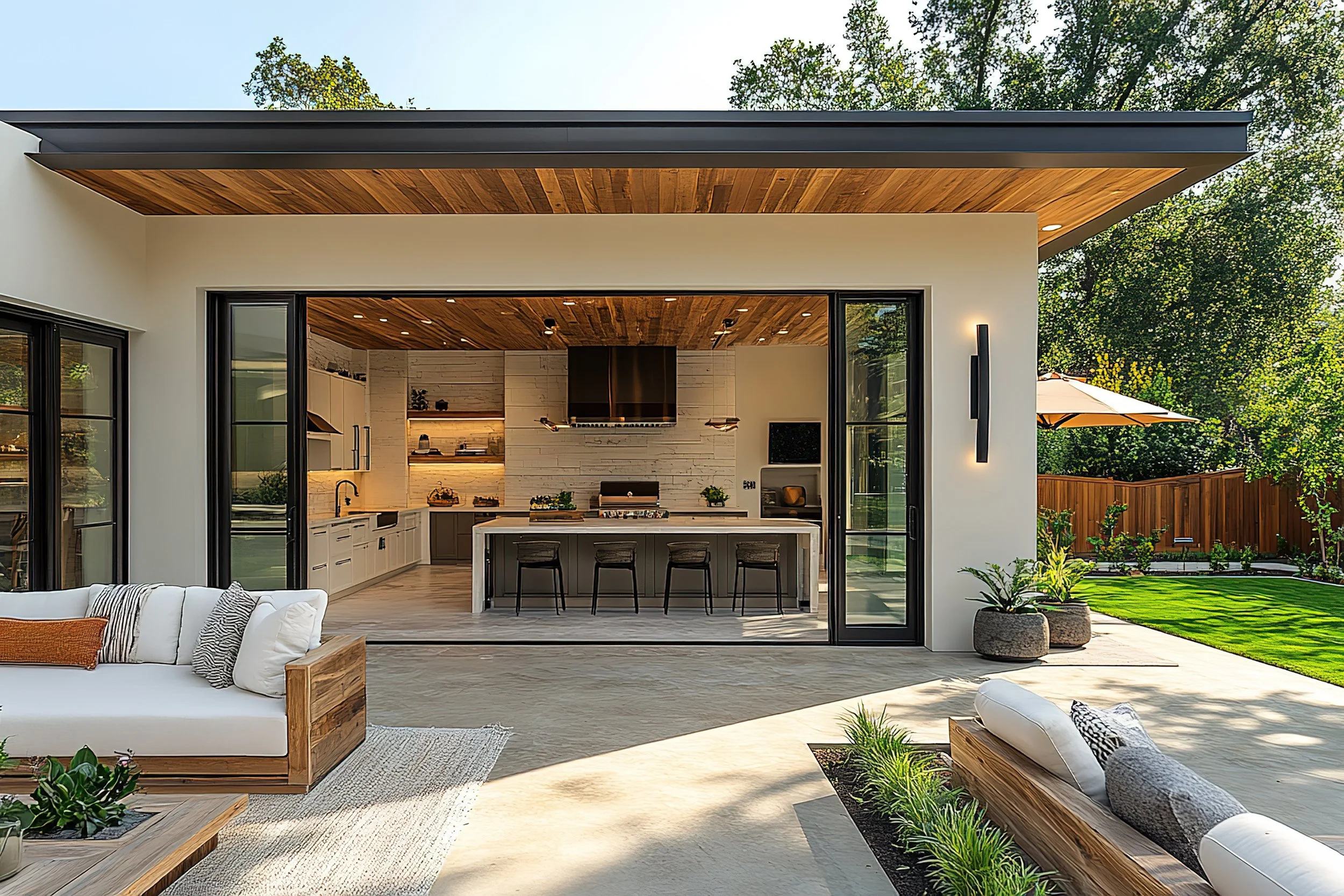
In the North Houston area, additions typically range from $150 to $300per square foot depending on size, design, and finish level. Larger additions with structural tie-ins, vaulted ceilings, or large glass doors will cost more because of the engineering involved.
Many homeowners choose to build additions instead of moving, especially when they like their neighborhood but need more space. When designed correctly, an addition can feel like it was always part of the original home.
What Affects Remodeling Cost the Most
The biggest factor in remodeling cost is not the size of the project, but the complexity of the work. Structural changes, custom cabinetry, tile installation, and detailed finish work require more labor and planning, which increases the total price.
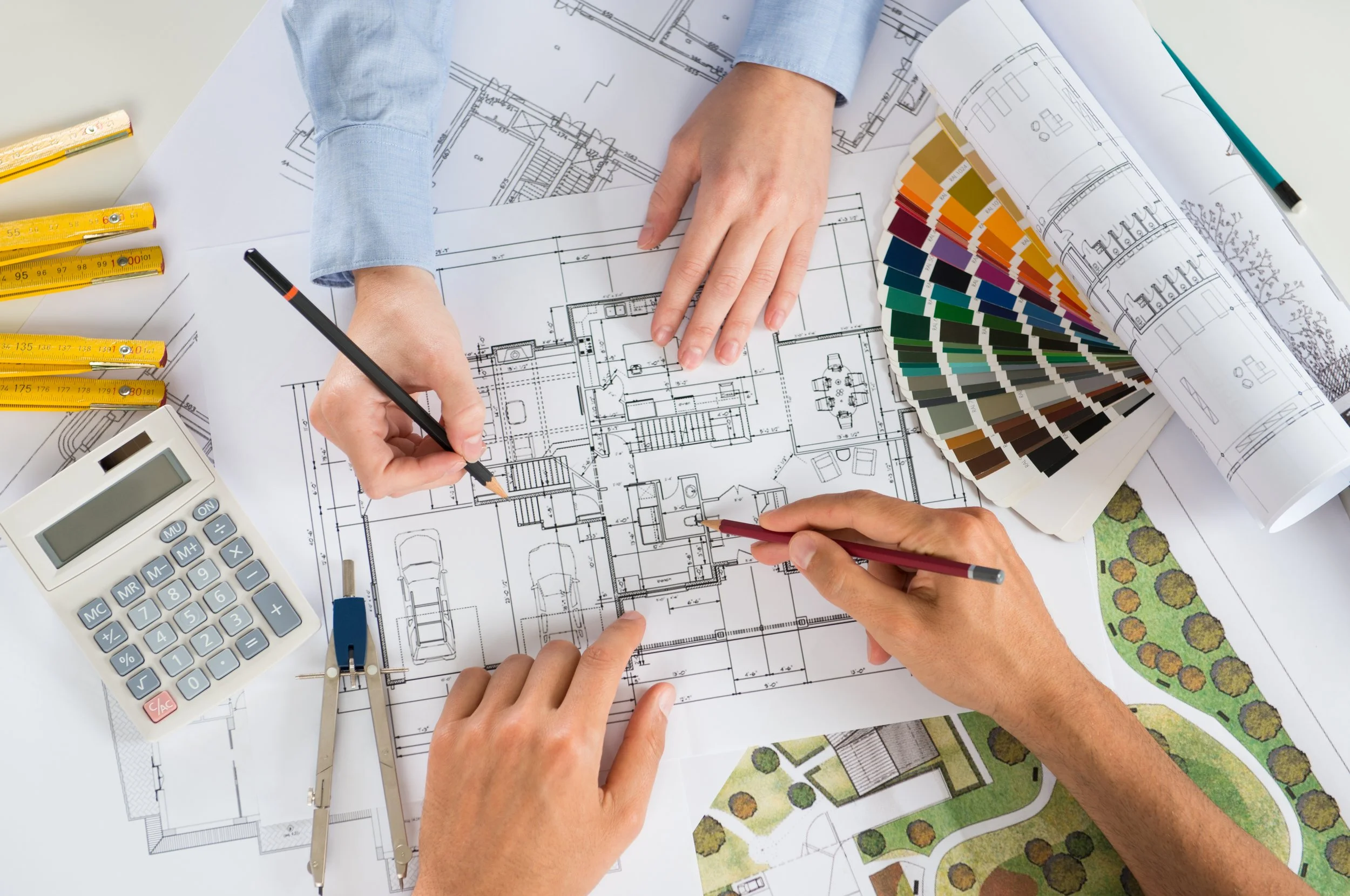
The Design Plan
Another major factor is planning. Projects that are fully designed before construction begins usually stay on budget much better than projects that change during the build. This is why many homeowners prefer working with a design-build contractor who handles both the planning and the construction.

Material Selection
Material selection also makes a large difference. Natural stone, custom woodwork, premium fixtures, and specialty lighting all cost more than standard materials, but they also last longer and create a more finished look.
Is Remodeling Worth it in 2026?
For many homeowners, remodeling makes more sense than moving. Home prices have increased, interest rates are higher than they were a few years ago, and finding the perfect house is not always easy. Renovating allows homeowners to stay in the location they like while improving the layout and appearance of the home.
Well-planned renovations can increase property value, improve energy efficiency, and make daily living more comfortable. Kitchens, bathrooms, additions, and open-concept layouts are some of the upgrades that typically provide the best return on investment.
Remodeling also allows homeowners to customize their home instead of settling for features they do not like.
Investing in Your Home
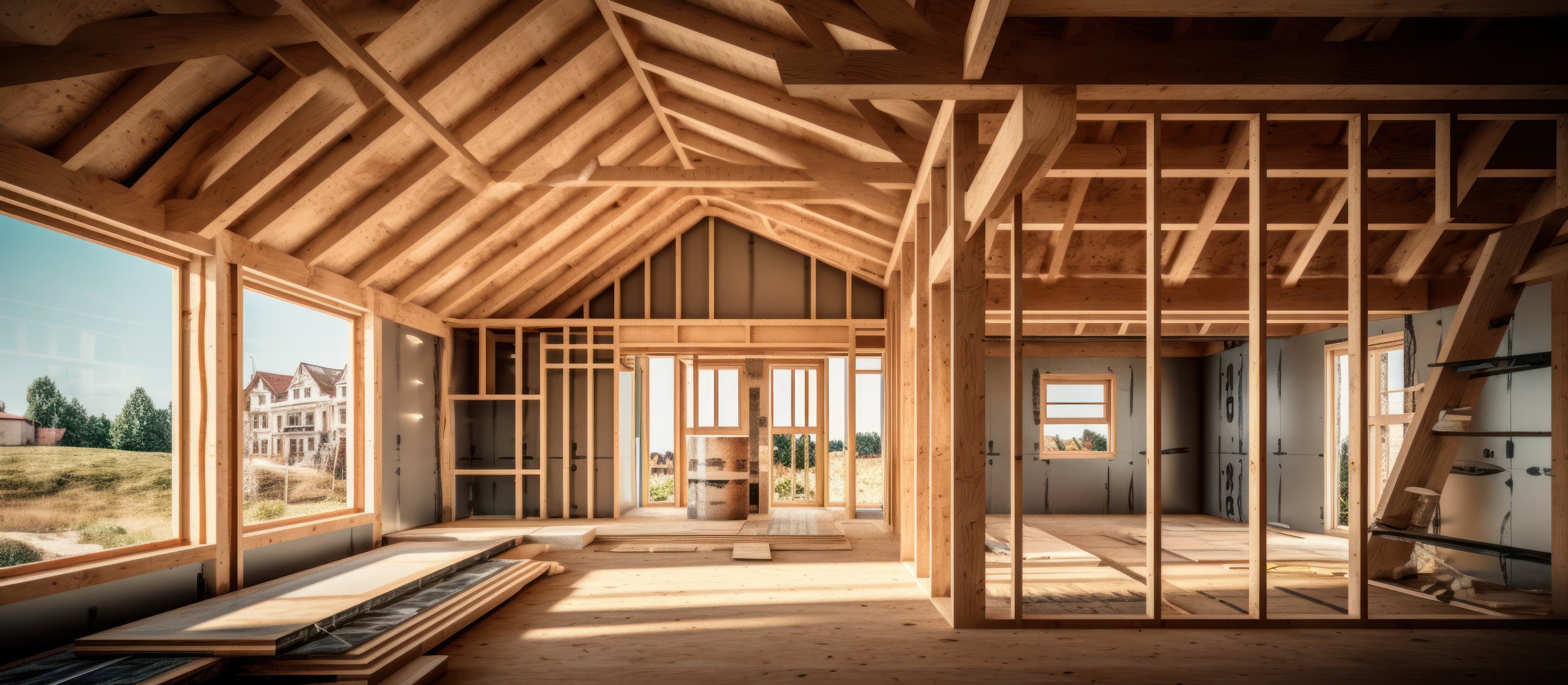
A-Ridge Construction provides kitchen remodeling, bathroom remodeling, home additions, and whole home renovations in The Woodlands, Magnolia, Montgomery, Conroe, Spring, and surrounding North Houston communities.